Korean Summer Survival: Monsoon, Heatwaves & Typhoons
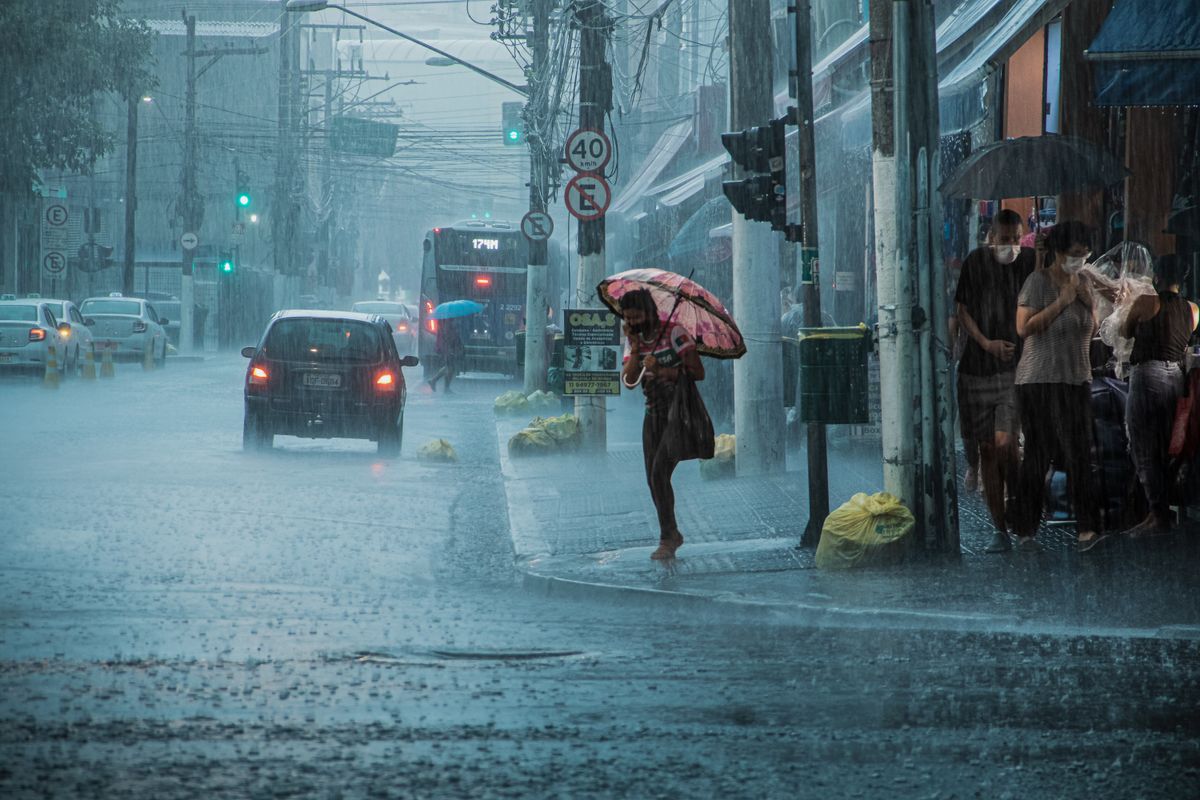
Korean summer is not one season — it is three, back to back: a rainy monsoon called jangma (장마), then a humid heatwave stretch, then typhoon season. If you know which phase you are landing in, packing and planning get much easier. Check today's conditions any time with our live weather & UV tool.
The three phases, month by month
| Phase | Typical timing | What it feels like |
|---|---|---|
| Jangma (monsoon) | Late June – late July | Bursts of very heavy rain, gray skies, ~24–29°C, everything damp |
| Peak heat | Late July – late August | 33–36°C with high humidity; "tropical nights" that stay above 25°C |
| Typhoon window | August – September | Mostly normal days, with 1–3 typhoons brushing the peninsula in a typical year |
Exact dates shift every year — the Korea Meteorological Administration (KMA) announces the start and end of jangma each season, so treat the table as planning ranges, not promises.
Jangma: how locals handle a month of rain
- Umbrella culture: nobody carries a raincoat in the city — a compact umbrella lives in every bag. Convenience stores sell them everywhere (around ₩7,000–15,000) the moment rain starts.
- Rain comes in bursts, not all-day drizzle. Radar apps matter more than daily forecasts — an hour of patience often beats a soaked afternoon.
- Shoes suffer most. Locals switch to sandals or quick-dry sneakers; leather shoes stay home.
- Dampness indoors: hotels and homes run dehumidifiers; if your room smells musty, ask the front desk for one.
The heatwave weeks: it's the humidity
- Plan outdoor sightseeing for before 11am or after 5pm; midday is for museums, malls and cafes (air conditioning is excellent almost everywhere).
- Subway stations and big marts double as free cool-down stops. Cities also run official "cooling shelters" (무더위쉼터) during heat warnings.
- Convenience-store summer kit: ion/electrolyte drinks, frozen water bottles, and cooling wipes — all a few thousand won.
- UV runs high on clear days: sunscreen is sold in every Olive Young and convenience store. Our weather tool shows the current UV index alongside the forecast.
Typhoons: watch, don't panic
Most typhoons weaken before reaching Korea or clip only the southern coast (Busan and Jeju feel them most). When one does approach, the pattern is predictable: KMA issues warnings a day or two ahead, ferries and some flights pause, and everyone stays indoors for the worst half-day. If a typhoon is forecast during your trip:
- Keep that day flexible — indoor plans, not day trips to islands or mountains.
- Check your airline's alerts; delays cluster on Jeju and southern routes.
- Emergency alerts arrive by loud phone broadcast (in Korean) — see our emergency & healthcare guide for what the numbers mean.
What to pack for a summer trip
- Compact umbrella (or buy on arrival) and one thin layer for icy air-conditioned interiors
- Quick-dry footwear during jangma weeks
- Sunscreen, hat and a refillable bottle for the heat weeks
- A power bank — you will lean on maps and radar apps more than usual
Next steps: check the pre-flight essentials, see what festivals run in summer, and if you are planning city-by-city, our sister site has a full seasons & packing guide.